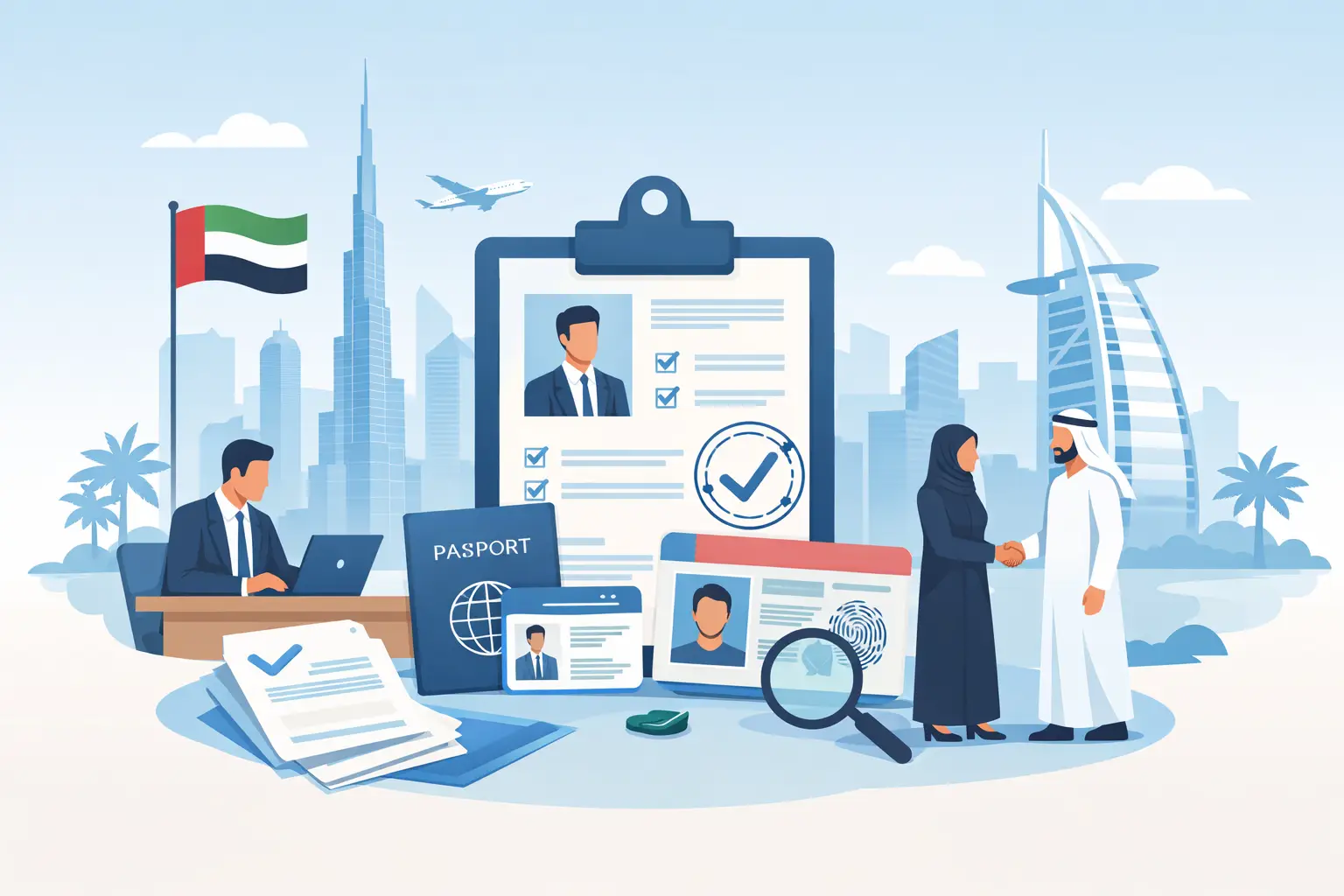
A new hire cannot begin work simply because they have accepted your offer. In the UAE, employment authorization, immigration processing, medical screening, and residency steps must align. This UAE work permit documentation guide explains what employers and foreign employees typically need to prepare, where requirements differ, and how to prevent paperwork from becoming the reason a start date moves.
For companies entering the market, the key distinction is simple: the correct documents depend on where your entity is licensed and who will sponsor the employee. A mainland company generally processes private-sector work permits through the Ministry of Human Resources and Emiratisation (MOHRE). Free zone companies follow the immigration and employment process set by their specific free zone authority. The end goal is similar, but the forms, portals, timelines, and supporting documents can differ.
Start With the Right Sponsoring Entity
Before collecting an employee’s documents, confirm that the employer entity is ready to hire. A valid trade license alone may not be enough. The company needs the appropriate labor and immigration registrations, and it must have an approved capacity to sponsor employees under its office and licensing arrangement.
For a mainland business, this commonly involves an active trade license, a MOHRE establishment file, and an immigration establishment card. The company may also need to show that its office arrangement supports the intended visa allocation. Free zone businesses usually need an active free zone license, a lease or flexi-desk agreement where permitted, and an establishment or immigration card issued through the zone.
This is where businesses can lose time. A company may be legally incorporated but not yet activated for employment processing. If you plan to hire shortly after formation, build work permit readiness into the company setup timeline rather than treating it as a separate task after the license is issued.
UAE Work Permit Documentation Guide: Employee Papers
The employee’s file is the center of the application. Request clear, current digital copies early, then check them against the authority’s specifications before submitting anything. A passport scan that is cropped, blurry, or close to expiry can stop an otherwise complete application.
In most cases, employers should collect the following documents:
- A color passport copy with sufficient remaining validity, commonly at least six months
- A recent passport-style photograph that meets UAE immigration image specifications
- The employee’s signed offer letter and, where required, an employment contract
- Attested educational certificates for roles or skill categories that require proof of qualifications
- Existing UAE visa, Emirates ID, or cancellation documents when the candidate is already in the UAE or transferring from another employer
- Any profession-specific approvals, licenses, or credentials required for regulated roles
Not every employee needs every item. A marketing specialist and a doctor do not face the same documentary requirements. Likewise, a candidate outside the UAE follows a different route from someone who is changing status after living in the country on another visa.
Passport and photograph standards matter
The passport copy should show all key details clearly, including the full name, passport number, nationality, date of birth, issue date, and expiry date. Avoid scans with glare, cut-off edges, handwritten markings, or password protection. The photo should be recent, high quality, and consistent with the required background and dimensions.
These details can feel administrative, but they are frequent causes of rejection or resubmission. Ask employees to send original source files rather than screenshots compressed through messaging apps.
When degree attestation is required
Educational documents are not universally required for every visa. They are more likely to be requested where the proposed occupation is classified as skilled or where the role itself requires professional credentials. The job title selected in the application must also make sense for the employee’s qualifications and the company’s licensed activities.
For certificates issued outside the UAE, attestation may involve authorities in the country of issue, UAE diplomatic legalization, and final verification within the UAE. The exact sequence depends on the country and document type. This process can take longer than the visa application itself, so it should begin well before the intended joining date.
Do not assume that a degree accepted by an employer will automatically be accepted for immigration purposes. Names, dates, and qualifications should match the supporting identity documents. If there has been a name change, prepare the relevant supporting evidence.
Employer Documents and Internal Approvals
The hiring company also submits its own documents and declarations. While the list varies by mainland authority or free zone, the employer side commonly includes an active trade license, establishment registration, immigration card, lease or office details, and authorized signatory records.
The company must also prepare a compliant job offer and employment contract. Salary, occupation, work location, and contract terms should be accurate and consistent across the documents submitted to the relevant authority. Mismatches create questions and can lead to corrections later in the process.
For mainland employees, labor market rules may also affect the application. Requirements can change based on the company category, the proposed profession, workforce composition, and current UAE employment policy. For free zone employees, the free zone may have its own quota rules, visa package limits, or desk-space conditions. There is no one-size-fits-all permit checklist.
The Typical Work Permit and Residency Sequence
Once the employer and employee files are ready, the process normally follows a defined order. The company applies for the initial work authorization or entry permission through the relevant authority. If approved, the employee enters the UAE if they are abroad, or completes an in-country status change if eligible.
After that, the employee completes the required medical fitness test and applies for Emirates ID biometrics. The employer then completes the residency visa process and final employment documentation required by the sponsoring authority. In many cases, health insurance also needs to be arranged as part of meeting local employment and residency obligations.
The sequence is important. Booking medicals or travel before initial approval is issued can create avoidable pressure. On the other hand, waiting to collect employee documents until after approval can delay the post-arrival stages. Good planning keeps the file moving without asking the employee to take unnecessary steps too early.
Common Documentation Problems That Delay Hiring
Most delays are not caused by a difficult rule. They are caused by a file that was treated as routine when it needed a careful review.
One common issue is using an expired or soon-to-expire passport. Another is submitting a job title that does not align with the employee’s qualification, business activity, or authority classification. Previous UAE visa status can also complicate matters. An employee who has recently resigned, been canceled by a prior sponsor, or left the country may need specific cancellation records or a different processing route.
Cross-border documents require particular attention. A certificate that has been translated but not properly attested may still be unusable. A document in a language not accepted by the authority may need a certified legal translation. Some nationalities or regulated occupations can trigger additional clearance requirements, so employers should avoid promising a fixed approval date before the case has been reviewed.
Build a File Review Before You Submit
A practical way to reduce rework is to run a short pre-submission review. Confirm the employee’s passport validity, photo quality, current UAE status, proposed job title, education requirements, and any prior visa history. Then confirm the employer’s license, establishment records, office allocation, authorized signatory access, and visa quota position.
This review also protects the employee experience. International hires often make travel plans, give notice to a current employer, or relocate family based on the expected onboarding date. Clear communication about document requirements and approval dependencies is better than a rushed promise that cannot be controlled.
Should You Use a Mainland or Free Zone Work Permit?
The answer depends on the entity that will employ the person, not simply the employee’s nationality or job title. If the individual will work for a mainland company, the mainland employment and immigration route applies. If they are employed by a free zone entity, that free zone’s procedures govern the visa. A freelancer permit, investor visa, or dependent-sponsored work arrangement may involve a different structure again.
Choosing a business setup solely because it appears to offer the lowest visa cost can be short-sighted. Consider your hiring plans, office needs, client location, licensed activities, banking requirements, and projected headcount. The right structure should support your operations after the first visa is issued.
For founders who want fewer moving parts, We Invest can coordinate company readiness, employee documentation, visa processing, and related compliance requirements as one managed process. The objective is straightforward: no missing paperwork, no unclear handoffs, and no unnecessary delays between forming a company and putting the right people to work.
A well-prepared employee file does more than speed up a permit application. It gives your new hire confidence that the company they are joining is organized, compliant, and ready to support their move to the UAE from day one.